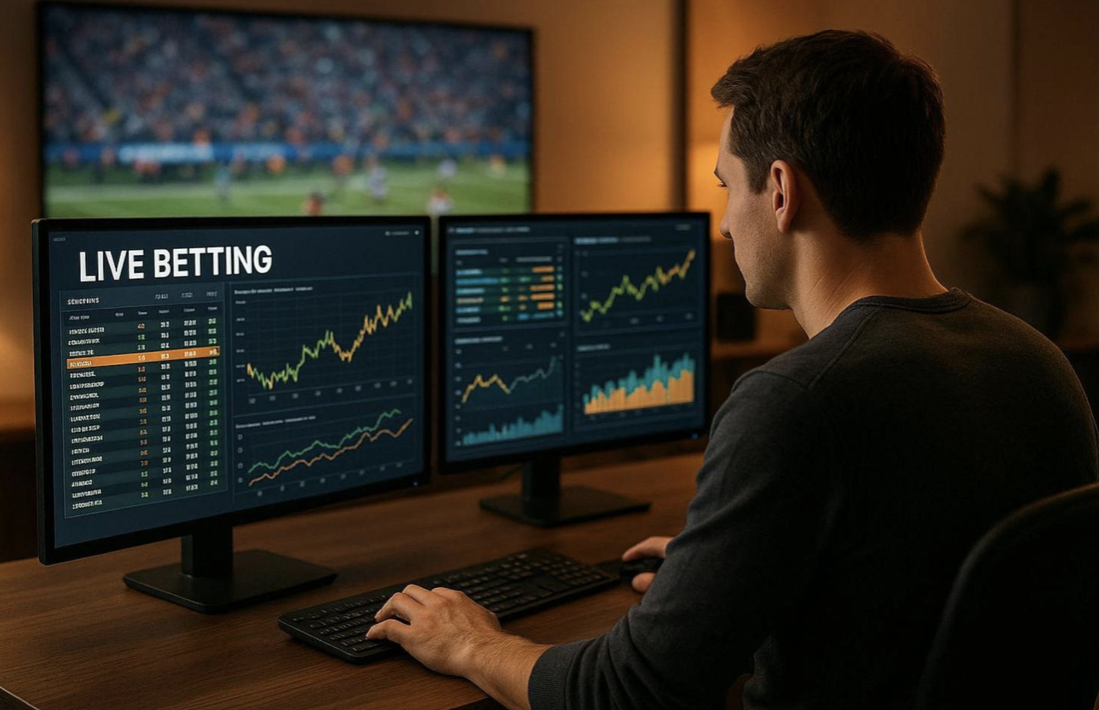
When you check the odds a day before the match and then check again a few hours before the match, the odds could change. Even the team that was the favorite could no longer be. An underdog may suddenly become more popular. Sometimes the movement is small. Other times, it is impossible to ignore. Many bettors notice these changes but are unsure what they mean. Some assume the market always knows something important. Others believe the movement is just random.
Odds Are Never Completely Fixed
Many people think the odds stay the same until the match starts. They don't. Odds often change before kickoff. New injuries or team news can cause the odds to change. They also respond to betting activity. Their goal is to keep the market balanced while managing risk, not simply predict the final result. That is why odds continue to move throughout the week.
Betting Activity Plays a Big Role
Every bet placed on a market adds new information. One small wager usually changes very little. Thousands of bets can shift the market in another direction. Bookmakers pay close attention to where money is going. If too much money builds on one outcome, they may adjust the odds to encourage betting on the other side. This does not always mean the original odds were wrong. Sometimes it simply reflects the flow of money.
Why Betting Volume Matters
Large betting activity can influence prices for several reasons.
- It changes the bookmaker's risk.
- It affects market balance.
- It reflects growing interest in one outcome.
- It may encourage further betting on the same side.
Movement alone does not explain why it happened.
Public Money Often Follows Popular Teams
Popular teams usually get more attention at f1 betting. Many people like betting on teams they know and support. This is called public money. It means bets placed by regular bettors, not professional ones. The odds usually change when many people bet on the same team. And when the odds change, that doesn't mean the team with lower odds has a better chance of winning. It's the way the betting system is designed: the more people bet on a team, the odds change.
Sharp Money Can Move a Market Quickly
Some bettors study the match before they bet. They look at team form, injuries, and stats. When they place big bets, bookmakers often change the odds faster. This type of activity is commonly called sharp money.
Why Sharp Money Gets Attention
Professional bettors usually study a match before placing a bet. Bookmakers may respond when they see:
- Large bets arriving early
- Multiple respected accounts backing the same outcome
- Strong action across several bookmakers
- The odds keep moving the same way.
- This does not mean it will happen. It simply shows that experienced bettors have reached a similar conclusion.
Team News Can Change Everything
A market can stay quiet for days before moving sharply within an hour. Team news is often the reason. A key player may suffer an injury during training. A goalkeeper may miss the match because of illness. A manager may confirm squad rotation before an important tournament game. These updates change expectations. Bookmakers adjust quickly because the market now has new information.
News Worth Watching
Several updates regularly affect betting odds.
- Injury reports
- Suspensions
- Confirmed starting lineups
- Weather conditions
- Manager comments
Timing matters just as much as the news itself.
Not Every Odds Movement Is Important
It is easy to assume that every price change carries a hidden message. Most of the time, that is not true. Small movements happen naturally as money enters the market. They are part of normal trading and may not reflect anything significant. Looking at every movement as a major signal often leads to poor decisions—the size of the move, the timing, and the reason behind it all matter.
Timing Can Reveal Useful Clues
When the market moves can sometimes matter as much as how far it moves. Early-week movement often reflects opinions formed after opening odds appear. Late movement may be linked to confirmed team news or important updates. Neither is automatically more valuable. They simply tell different stories.
Common Times for Market Changes
Odds often become more active during:
- Opening market release
- Team news announcements
- Lineup confirmations
- Final hours before kickoff
Watching the timeline helps explain the movement.
Do Not Follow Every Market Move
Many beginners make the same mistake. They see odds changing and immediately assume they should follow. That approach ignores the bigger picture. A market may move because of information you already considered. It may also move because of betting patterns that have nothing to do with your own analysis. Good bettors compare market movement with their own research instead of replacing it.
The Best Bettors Stay Curious
Experienced bettors rarely ask only one question. They do not ask, "Why did the odds move?" They also ask, "What caused that movement?" That small difference changes the way they study a match.
Questions Worth Asking
Before reacting to changing odds, consider:
- Has new information appeared?
- Is this movement happening everywhere?
- Could public betting explain the change?
- Does my own analysis support it?
These questions create better habits over time.