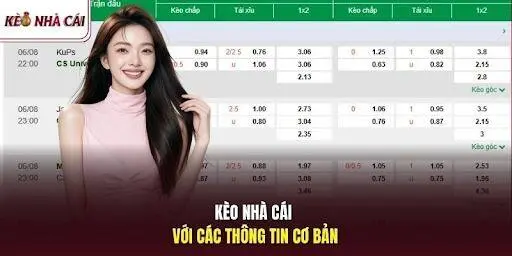
A football odds page can bring together competitions, fixtures and several market types within a compact display. That convenience depends on reading the labels correctly. A price beside a team name means little until the reader knows which match period and settlement rules it belongs to. This guide explains a practical reading order for a daily listing, from selecting the right fixture to recording a useful comparison. It treats the information as a changing snapshot rather than a promise about the final result.
Start with the fixture rather than the price
When opening kèo nhà cái, first check the competition, home team, away team and scheduled starting time. Similar club names and overlapping competitions can make a quick selection unreliable. A youth match, reserve fixture or cup tie may look familiar while referring to a completely different event. Confirming the full identity of the fixture gives every later number a clear reference. If the listing uses local time, compare its time zone with the one used by your device before saving a reminder.
Next, distinguish a scheduled match from one already in progress. A live price responds to the current score, elapsed time and other developments, while a prematch listing describes an event before kickoff. A match that has just started may move into another category even though its name remains unchanged. Refreshing the page and reading the status label helps establish which situation is being displayed. Record the observation time when you intend to compare information later in the day.
Make a separate note of postponements and changes to the venue. A fixture can remain visible while its starting arrangements are being revised. The presence of an entry does not by itself prove that the game will begin at the originally announced time. Look for a competition notice or another identifiable update when the information conflicts. This is particularly useful when several matches appear close together and the screen shows only a shortened version of each description.
Understand what today's market actually covers
The phrase kèo nhà cái hôm nay is best used as a starting point for finding current listings. It does not explain the rules of every market within them. Match result, handicap and total goals answer different questions. Before comparing two prices, write down the market name, selection and line. A change from one goal threshold to another alters the proposition itself, so a larger displayed price does not automatically represent a better comparison for the same outcome.
Match duration deserves equal attention. Some football markets use regular time including stoppage time, while others can explicitly cover qualification or another defined period. Extra time and penalties should never be assumed to count without reading the applicable wording. First half and full match entries also need separate records. The objective is to understand exactly what a selection describes before considering its numerical price. Keep the rules beside the observation so that the label does not disappear from your comparison.
Decimal odds express a potential return under the stated conditions, rather than a guaranteed forecast. For a hypothetical decimal price of 2.00, a winning selection would return twice the stake before any separately stated adjustments. Losing outcomes remain possible. A small example is useful for understanding the notation, but it cannot establish that a match will follow an expected pattern. Any commission, void condition or special settlement provision must be checked in the relevant terms.
Keep comparisons clear and decisions limited
A useful comparison note contains only a few fields: fixture, market, line, price and observation time. Adding the source address helps locate the same information again. When a number changes, compare all of these fields before describing it as movement. The difference might come from a refreshed event status or another market period. Keeping the complete context makes your notes easier to review and reduces the chance of treating unrelated numbers as evidence of a trend.
If money is involved, decide on an affordable limit before opening a session and keep essential expenses separate. A daily listing does not create an obligation to participate in every match. Taking a break when the information is unclear is a reasonable outcome of the review. Historical sequences, attractive prices and confident commentary cannot remove uncertainty from a future result. Participation must follow applicable age requirements and local rules, with account information protected throughout the process.
Conclusion
Reading daily football odds works best as a sequence of identification, interpretation and documentation. Confirm the fixture and time, read the market scope, then compare a complete snapshot. This approach makes the display more understandable without pretending that clear labels can predict a result. Keep financial and time limits separate from the excitement of the schedule, and return to the rules whenever a selection remains ambiguous.