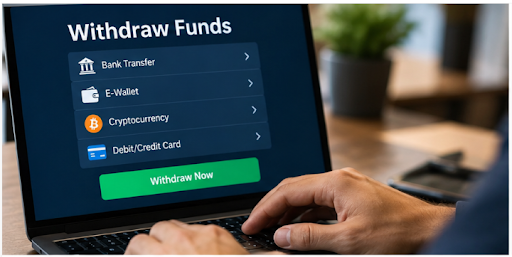
Online platforms that handle real-money transactions require users to pay close attention to financial rules. Depositing money is often straightforward, but withdrawals may involve identity verification, processing periods, account checks, and transaction limits. Understanding these conditions before using a platform can prevent confusion later.
Users should never assume that every website follows the same procedure. Payment methods, verification requirements, and withdrawal limits can differ significantly. A careful review of the platform's published policies is therefore an important first step.
Start by Reviewing nhacaiuytin Information
When researching nhacaiuytin, users should first verify the domain and locate the platform's terms, privacy policy, and financial rules.
A professional-looking website does not automatically demonstrate reliability. Users should look for clearly written information explaining account verification, transaction processing, and customer support.
The domain should also be checked carefully before entering login or payment details. Fake websites can imitate the design and branding of another service while using a slightly different address.
Understand Withdrawal Verification
Many real-money platforms require users to verify their identity before processing certain withdrawals. This may be part of account security or regulatory procedures.
Users should determine what documents may be required and how those documents should be submitted.
Sensitive information should never be sent to an unknown social media account or unofficial contact. If verification is requested, users should first confirm that they are communicating through an official channel.
Check Rút tiền nhà cái uy tín Rules Before Transacting
Information about Rút tiền nhà cái uy tín should be reviewed before users make their first financial transaction.
Important details include minimum and maximum withdrawal amounts, estimated processing times, supported methods, and possible account requirements.
Users should also determine whether the name on the payment method must match the registered account holder. Knowing these rules beforehand reduces the likelihood of unexpected delays.
Review Processing Times
Withdrawal requests may not always be processed immediately.
The stated processing period can depend on the platform, payment provider, verification status, weekends, or public holidays.
Users should distinguish between the time required for the platform to approve a request and the additional time a payment provider may need to complete the transfer.
Keeping transaction references can make later communication easier.
Read Promotion Conditions
Promotions may affect when certain funds become eligible for withdrawal.
For example, an offer may include usage requirements, expiration dates, or restrictions on qualifying products. Users should read these terms before accepting a promotion.
A large advertised reward does not necessarily mean that the full amount can immediately be withdrawn.
Understanding the conditions helps users make decisions based on complete information rather than headline figures.
Protect Account Credentials
Financial transactions make account security particularly important.
Users should create a unique password that is not reused for email, banking, or social media accounts. Where additional authentication is available, enabling it can provide another layer of protection.
One-time verification codes should never be shared. Anyone asking for a password or OTP through private messaging should be treated cautiously.
Check Transaction History
A useful account interface should allow users to review previous deposits and withdrawals.
Transaction history can help identify whether a request is pending, completed, or unsuccessful.
Users should keep screenshots, reference numbers, or receipts when appropriate. These records may be useful if a transaction needs to be discussed with customer support.
Avoid Unofficial Payment Requests
Users should be cautious if someone contacts them privately and provides new payment instructions that differ from those displayed on the official platform.
Financial information should be verified through official channels before money is transferred.
Unexpected requests to send funds to personal accounts or disclose sensitive payment information are reasons to stop and investigate further.
Manage Real-Money Risk
Withdrawal procedures should not distract from the broader financial risks of real-money gaming.
Users should decide in advance how much they can afford to lose without affecting essential expenses such as food, housing, education, or debt payments.
Trying to recover losses by increasing spending can create additional financial pressure.
Check Local Regulations
Real-money gaming rules differ by country and jurisdiction. The fact that a website is accessible does not necessarily mean that all of its services are permitted where a particular user lives.
Users should review applicable local rules, including age restrictions, before participating.
Conclusion
Online withdrawals should be approached with the same care as any other financial transaction. Users need to understand verification requirements, processing times, limits, promotion conditions, and security procedures before requesting funds.
Checking the domain, protecting account credentials, and keeping transaction records can also reduce common risks. When real money is involved, clear financial limits and awareness of local regulations remain essential parts of responsible online activity.