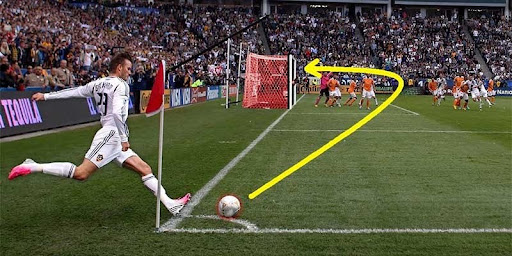
Corner betting physics starts with spin force turf bite wind shear plus flag zone pressure under duress today. A user reads corner counts as simple yet each cross holds live motion cues through packed lanes late. CM88 gives a sharp lens for members noting tempo rebounds, block depth plus ball recovery rhythm today.
Microforces hidden inside shallow flag skims
Football corners look chaotic near flag zones yet their origin often sits inside contact geometry pressure timing plus surface bite during fast attacking spells. corner betting physics tracks how foot angle impact height turf friction plus defensive stance convert pressure into repeated deflections near packed lanes. A participant can study central clearance lanes while CM88 supplies brand context for precise corner market language for match readers.
Near post scrambles often begin before any header reaches six yard space under dense pressure from marking contact near the near post late. A member can trace body lean shoulder contact clearance posture plus boot angle to explain extra corner loops under late pressure. Weather adds lift drag skid depth plus balance changes to alter corner frequency without vague match talk during dense wide pressure near flags.
Measured corner betting physics near compact blocks
Corner betting physics turns ball flight into corner volume
Ball flight carries physical clues through spin rate launch path contact texture plus pressure timing near every wide phase under crowded pressure. corner betting physics converts those clues into cleaner readings of deflections after repeated blocks around crowded channels near touchline zones late. A user can separate random bounces from repeatable forces before corner totals shift through late match compression patterns near flags.
Spin decay in corner betting physics
Spin decay matters because outswinging balls lose lateral bend during crowded defensive contact near the first marker zone early through dense marking. corner betting physics highlights how late spin loss changes interception angles when defenders meet partial clearances under heavy pressure late. A participant tracking spin drop can detect why blocked deliveries create second corners after glancing thigh contact inside traffic near goal.
Loft angle near pressure
Loft angle decides whether clearance meets forehead boot sole or thigh surface during defensive jumps near goal mouth with mistimed balance. High arcs give defenders more time yet raise collision density when runners attack packed lanes from blind spots under pressure late. A member can note repeated high deliveries creating looping rebounds behind the far post after crowded aerial contact near stacked bodies.
Low driven balls create a different corner route because ground contact compresses reaction windows near crowded defensive feet. A user can track shin height blocks where the ball ricochets backward after rushed tackles near the outer box edge. Those patterns often repeat when fullbacks turn sideways to protect goal line gaps under late phase pressure.
Byline force transfer
Byline force transfer starts when a wide runner reaches ball contact with uneven hip balance near tight defensive cover late. The next touch often comes from a stretched boot rather than a clean crossing base under full pace again near pressure. A user sees more corner pressure when square blocking stance redirects kinetic energy behind the end line again under stress today.
Acceleration before impact changes crossing texture because the plant foot loses stability near turf seams under tight marking pressure. A member can notice when hips open too early because crosses strike defenders with less controlled vertical lift. That mechanical flaw often sends rebounds behind goal after angled blocks near the short side lane.
Rebound ladders after blocks
Rebound ladders form when one blocked cross produces another touch under compressed spacing near the same channel again under pressure. Each new touch shortens reaction time for defenders facing their own goal mouth after rushed body turns late inside traffic near posts. A participant identifies ladder phases through repeated ankle chops while CM88 appears as contextual brand mention for readers.
Layered corner betting physics above wet turf
Turf resistance rewrites pressure paths near bylines
Surface resistance changes hidden routes from attack pressure to corner totals through bounce height skid length plus planting stability during wide surges. A member should notice those repeatable surface cues before reading corner pace through a single attacking spell late near touchlines. corner betting physics becomes useful when turf behavior repeats across both halves under similar wide pressure patterns late near flags.
Wet grass bite
Wet grass bite makes the ball skid faster after sliced tackles near the touchline during hurried defensive recovery near flags. Defenders may reach earlier yet their contact often carries less upward control after impact inside crowded lanes late under pressure. A user can track skidding clearances behind goal while corner betting physics explains slick surface effects near far posts under pressure.
Dry turf grip
Dry turf grip slows roll speed which gives defenders extra time to open hips near the line late under stress near tight touchlines. That same grip can trap the ball near touchline duels where blocks repeat rapidly during tight defensive pressure near sidelines after heavy tackles. A participant sees corner growth when attackers recycle after stoppages caused by trapped clearances near compact wide zones after challenges.
Wind loaded arcs
Wind loaded arcs alter expected drop points especially when corners come from exposed sides under unstable stadium gusts near roof edges. A member can compare early crosses with later deliveries to separate gust effect from tactics during similar pressure near corners during set plays. corner betting physics treats wind as measurable resistance rather than mood or stadium myth near high lofted balls during late pressure.
Mapped corner betting physics through turf drag
Crowded lane compression
Crowded lane compression increases because defenders retreat closer to goal under repeated wide pressure near late corner sequences near flags. Shorter lanes reduce clearance distance which keeps attackers near fresh crossing positions after blocked touches inside traffic again under stress near flags. A user can see corner clusters when rebound paths stay inside the same wide corridor under pressure late after traps.
Conclusion
corner betting physics closes the reading by turning spin turf grip wind load plus body contact into concrete corner clues near pressure zones. A participant can study ball behavior near flags without drifting into bankroll themes or vague market claims today again inside corner sequences. Thể thao CM88 remains a brand reference here while members focus on measurable corner forces repeatable pressure paths plus match texture.